

Bonding. Coating. Durability.
Every problem starts at the surface.
MILD-PLASMA Technology and Equipment
From adhesion and printing to coating and biomaterials, MILD-PLASMA solves surface problems at the source.
Produced by
Stec Co., Ltd.
- Top page
- Innovations from Shimane
- MILD-PLASMA Technology and Equipment
Why are surfaces a bottleneck in manufacturing?
Cutting-edge research centers continue to develop high-performance materials. However, these materials cannot function on their own. Each material must be combined with other materials before use in real-world applications.
As material performance advances, surface bonding becomes increasingly difficult. Surface-related challenges have therefore become one of the biggest bottlenecks in the practical use of new materials.
- Many advanced materials are difficult to bond
- Combining materials is essential for real-world applications
- Limited surface treatment technology is preventing use of new materials

MILD-PLASMA solves surface problems at the source.

Turns difficult-to-bond materials into bondable surfaces
MILD-PLASMA directly activates surfaces through dry treatment without chemicals. This surface activation offers reliable bonding through improved adhesion for fluoropolymers and other difficult-to-bond materials without compromising the material’s original performance.
Eliminates the need for chemical treatment
MILD-PLASMA controls surface properties without using chemicals or solvents, preserving material performance while reducing environmental impact. The technology also eliminates complex surface preparation and primer processes, shortening processing time and reducing workload.
Removes surface-related design constraints
MILD-PLASMA controls surface properties and enables the use of highly functional materials previously avoided due to adhesion challenges. This control opens the door to developing products that fully leverage material performance.
What is MILD-PLASMA?
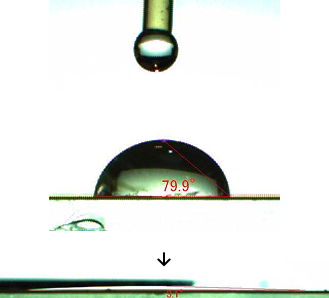
MILD-PLASMA is a surface control technology that modifies only the outermost layer of a material to enhance properties such as adhesion, wettability, and reactivity. The material itself remains unaffected, while only the extreme surface layer (a few nanometers) is stably modified.
The low-energy dry treatment requires no chemicals or solvents and enables surface modification without roughening the surface. MILD-PLASMA is used across a wide range of processes, including adhesion, printing, coating, and biomaterials.
The treatment effect remains stable over time, with a proven track record of lasting more than 2 years for fluoropolymers and more than 10 years for PET.
Uses of MILD-PLASMA
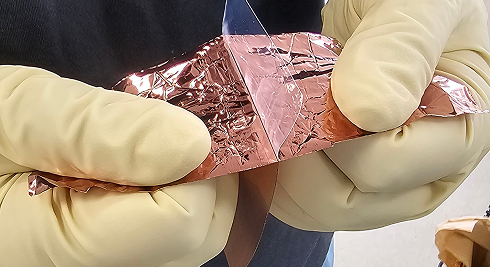
Adhesive-free and anchor-free bonding of difficult materials
Enables direct bonding of traditionally difficult-to-bond materials, including fluoropolymers, LCP, PI, and PPS, without adhesives or surface roughening
Suitable for advanced electronic and structural material composites
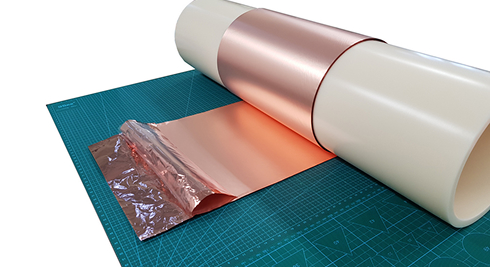
Ultra-high-speed communication substrate (CCL) manufacturing
Enables chemical bonding between fluoropolymers and smooth copper foil, creating low-loss substrates without anchor effects or adhesive layers
Suitable for substrate materials, including not only fluoropolymers but also LCP, PI, PPS
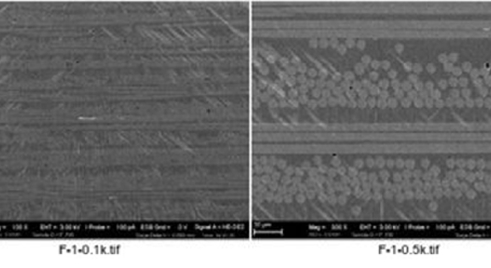
Carbon fiber composites (CFRTP)
Modifies carbon fiber surfaces to improve impregnation of thermoplastic resins
Suitable for lightweight, high-strength components used in automobiles, drones, and other advanced applications
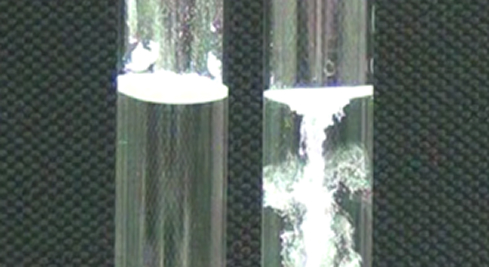
Improved hydrophilicity and dispersion of powder materials
Modifies the surface of heat-dissipating fillers and other hydrophobic powders to improve dispersibility in aqueous materials
Suitable for materials development for data centers and power devices
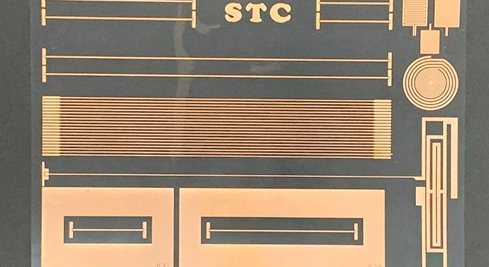
Printed wiring and printed electronics
Enables conductive ink printing on fluoropolymers and other difficult substrates and provides pretreatment for plating and vapor deposition
Suitable as a foundational technology for next-generation electronic device manufacturing
Three Key Benefits of MILD-PLASMA
Lower defect rates and a stable quality
Stabilizes surface conditions and suppresses variations in adhesion, printing, and coating. Maintains high quality without relying on skilled workers and reduces defects and rework
Reduced chemical use and simplified processing, leading to lower costs and labor hours
Replaces chemical cleaning and primer steps in surface modification with a dry process. Reduces chemical management, eliminates wastewater treatment, shortens processes, reduces workload, and lowers operating costs
Greater freedom in materials and design
Supports low-surface-energy materials previously difficult to bond or print, easing material limitations. Expands options and provides greater flexibility in product design
Why gentler plasma is well suited for manufacturing
Challenges With Conventional High-Power Plasma
- Conventional plasma can modify surfaces but often damages the material
- Surface modification effects fade quickly, requiring strict process control
- Equipment is large and costly to operate
MILD-PLASMA: The Right Balance
- MILD-PLASMA treats only the surface layer without damaging the material
- Effects are long-lasting, leading to stable quality
- Simple equipment and low running costs
How long do the effects last?
Surface modifications created with MILD-PLASMA treatment are not something that rapidly disappears over time.
Effects have been confirmed to last for more than 2 years in fluoropolymers and more than 10 years in PET. A single treatment can ensure long-lasting, stable surfaces.
MILD-PLASMA’s ability to reduce retreatment and minimize quality variation offers additional benefits for manufacturing sites.
| Item | Conventional Plasma | MILD-PLASMA |
| Effect duration | Several hours to several days | 2+ to 10+ years |
| Long-term stability | Unstable | Extremely stable |
| Retreatment | Required | Not required |
| Quality control | Difficult | Easy |
Introduction to Plasma Irradiation Equipment
*Stec Co., Ltd. designs and develops additional custom equipment according to material shape.
[Films] Roll-to-Roll Plasma System (Mass Production Model)
![[Films] Roll-to-Roll Plasma System (Mass Production Model)](../assets/img/page/mild-prazma/09.jpg)
- Processes roll-to-roll film up to 580 mm wide
- Contract processing available for rolls 580 mm or smaller
- *Standard model supports widths up to 1200 mm. (Other widths available on request)
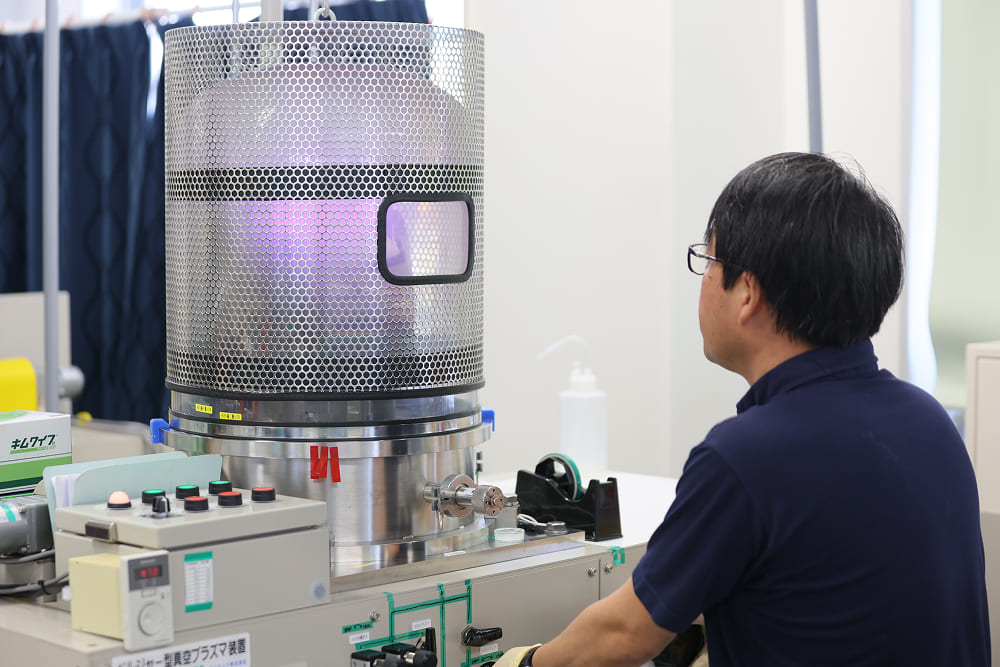
[Films] Bell-Jar Vacuum Plasma System (Testing Machine)
![[Films] Bell-Jar Vacuum Plasma System (Testing Machine)](../assets/img/page/mild-prazma/10.jpg)
- Processes samples (up to A4 size)
- Ideal for optimizing plasma treatment conditions
- Designed with roll-to-roll processing in mind for easy scaling to production
[3D Materials] Flat-Plate Plasma System
![[3D Materials] Flat-Plate Plasma System](../assets/img/page/mild-prazma/11.jpg)
- Processes thick plates, components, and other three-dimensional parts
- Materials are placed on a moving stage and pass through the plasma treatment zone
- Processing area: 600 mm × 420 mm (approx. A2 size), height up to 100 mm
[Powders] Bottle-Type Plasma Irradiation System
![[Powders] Bottle-Type Plasma Irradiation System](../assets/img/page/mild-prazma/12.jpg)
- Processes powders
- Samples are placed in a rotating bottle and treated while fluidized
- Chamber size: approximately 3 L (recommended processing volume: approx. 500 mL)
- Scale-up is under consideration
Proud Manufacturer: Stec Co., Ltd.
Manufacturing Starts at the Surface
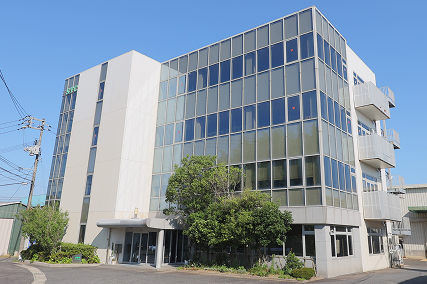
Stec Co., Ltd. provides integrated development, design, and manufacturing of surface treatment equipment and automation systems using MILD-PLASMA and other proprietary technologies.
From research applications to full-scale production lines, Stec customizes systems to match specific materials and process conditions. Providing equipment solutions tailored to manufacturing sites is a core strength of the company.
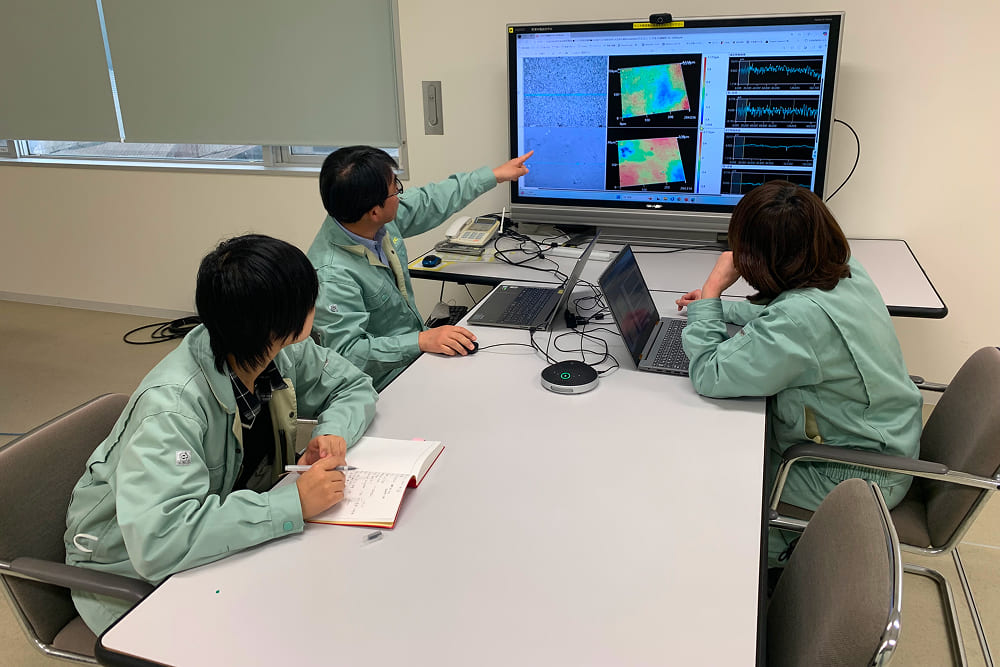
Stec does not require immediate capital investment to install equipment. Customers can begin with test processing and evaluation using actual materials.
After discussing project challenges and objectives, Stec proposes the optimal treatment method and equipment configuration.
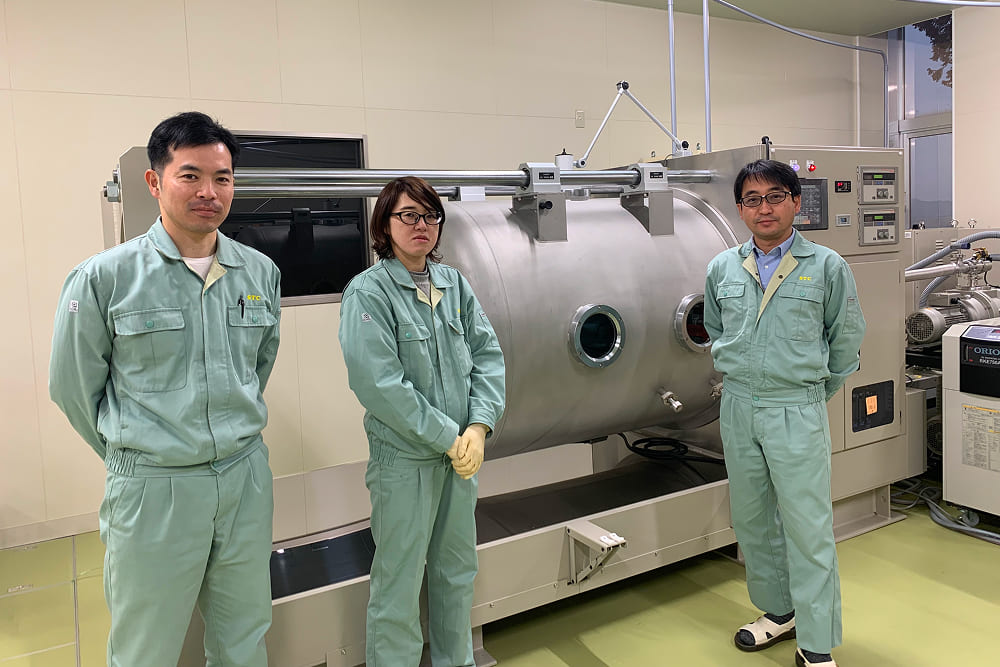
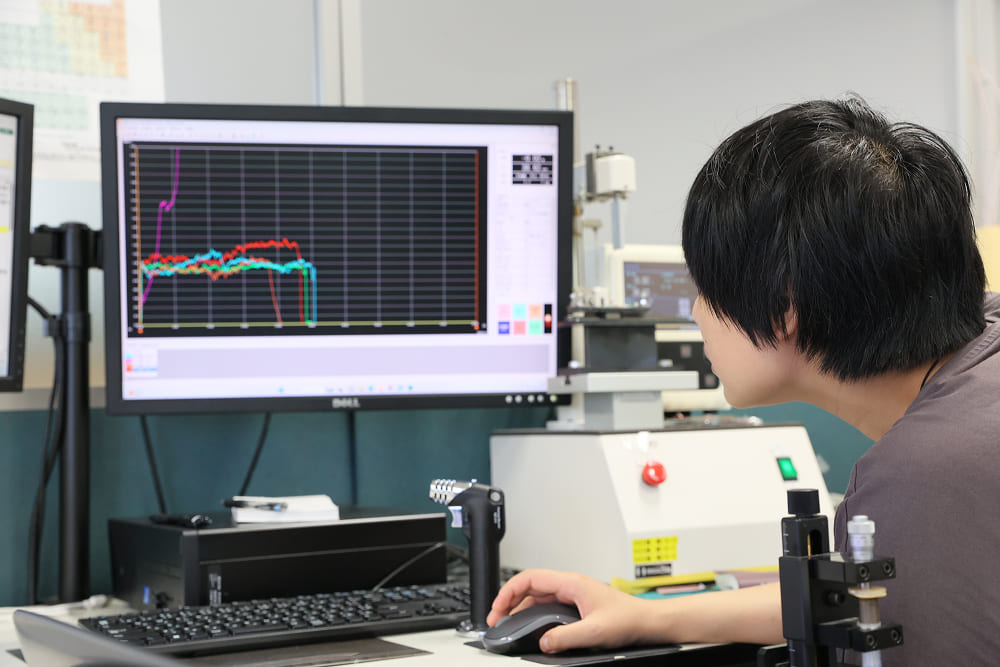
Click photos to enlarge
Company profile
| Company name | Stec Co., Ltd. |
|---|---|
| Home page | https://www.stc-jp.co.jp/ |
| Outline of business | Research, development, and manufacturing of custom equipment |
| Date of establishment | 1991 |
| Capital | 85 million yen |
| Number of employees | 38 |
For inquiries, please contact Overseas Expansion Support Office, Shimane Prefectural Government: kaigai-tenkai@pref.shimane.lg.jp